Blog
Thank you! Your submission has been received!
Oops! Something went wrong while submitting the form.
Policy Updates
Congress Must Invest Now in Jobs for Justice-Impacted Individuals
In the American Jobs Plan, President Biden calls for a $100B workforce investment, including prioritizing justice-impacted individuals and subsidized employment as a proven training tool. As someone who has been there, it’s welcome news for the Administration to recognize just how hard it is for anyone with a history of incarceration to get a job.
Read the story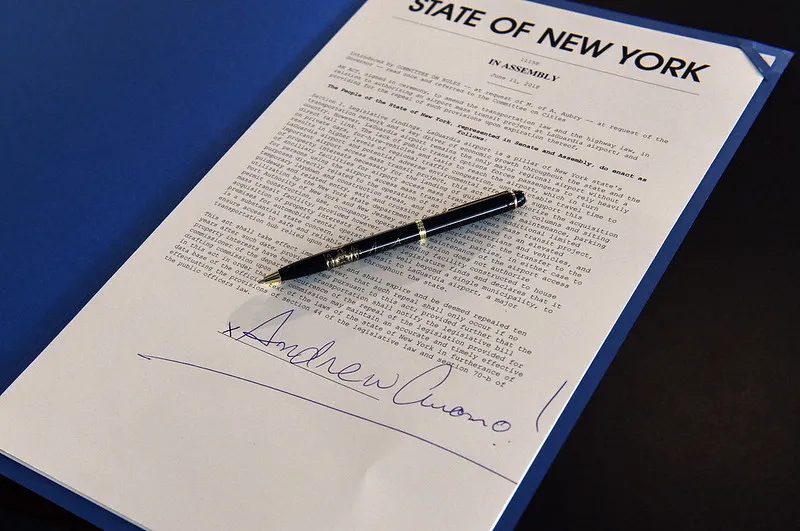
Participant Stories
Key Fixes for New York’s Broken Parole System Await the Governor’s Signature
After my incarceration at Lakeview Shock Incarceration Correctional Facility for non-violent offenders in Brocton, New York, I quickly realized I was living in constant fear of reincarceration. My parole officer had issued strict conditions such as travel limitations and unreasonable curfews, which prevented me from getting to work on time. There were incessant home visits, often at 3 or 4 o’clock in the morning. I was convinced my parole officer was scrutinizing my every move, just waiting for a reason to issue a technical parole violation.
Read the story
Staff Stories
Cassie Anderson’s Extraordinary Journey from CEO Participant to Employee
Before becoming a CEO participant, Cassie Anderson confesses that her life was in shambles. She remembers sleepless nights, homeless in her truck, and trapped in an abusive, long-term relationship that ultimately led to her incarceration. Following her incarceration, Cassie returned to Memphis. As someone with an immense passion for caregiving, she was devastated to learn that, due to her conviction, she would no longer be able to work as a Certified Nursing Assistant (CNA). So, she started applying to various local businesses, but all of her applications were denied. As she started to lose hope, Cassie remembers praying to God and asking for help.
Read the story
Fair Chance Conversations: The Economics of Inclusive Hiring with Jeff Korzenik
Levelset is a collaborative initiative of the Center for Employment Opportunities (CEO) and Envoy Growth, leveraging our common experience connecting employers with talented, motivated workers who have past justice-involvement.
Read the story
From the Field
Google, nonprofits to expand training for previously incarcerated people in Bay Area
Google plans to expand a program to help formerly incarcerated people receive job training and skills, pegged to a White House effort aimed at helping people stay out of prison and jail.
Read the storyBenefits of Inclusive Hiring: Watch CEO’s Recent Corporate Roundtable
On April 15, 2021, CEO held an Inclusive Hiring Corporate Roundtable event where a group of expert panelists took a deep dive into how inclusive hiring creates value for employers.
Read the storyParticipant Stories
Jimmy Shares How the CEO Program Changed His Life
Jimmy Pizarro did not let poor decisions he made during his youth define his future. Hear why Jimmy credits CEO with his success and why he thinks people should consider the program after they are released from incarceration.
Read the storyDraxel Shares the Life-changing Impact of the CEO Program
Draxel Clarke knew that he needed to work in order to get his life back on track. CEO’s coaching, training, and job placement services gave him the tools he needed to succeed. Hear why Draxel believes the program can help others.
Read the story
Participant Stories
Participant Success Story: Malik Talks About His Journey to Become a Certified Personal Trainer
Malik is a certified personal trainer and nutritionist. Originally from New York City, he currently resides in Oakland, California. From a young age, Malik spent time in and out of the justice system, including almost a decade in solitary confinement. Being an independent spirit and a go-getter, Malik forged ahead on his own after his release from incarceration. He encountered the barriers most returning citizens face, including: a lack of employment, lack of support, and a landscape that discriminates against Black men with past convictions.
Read the story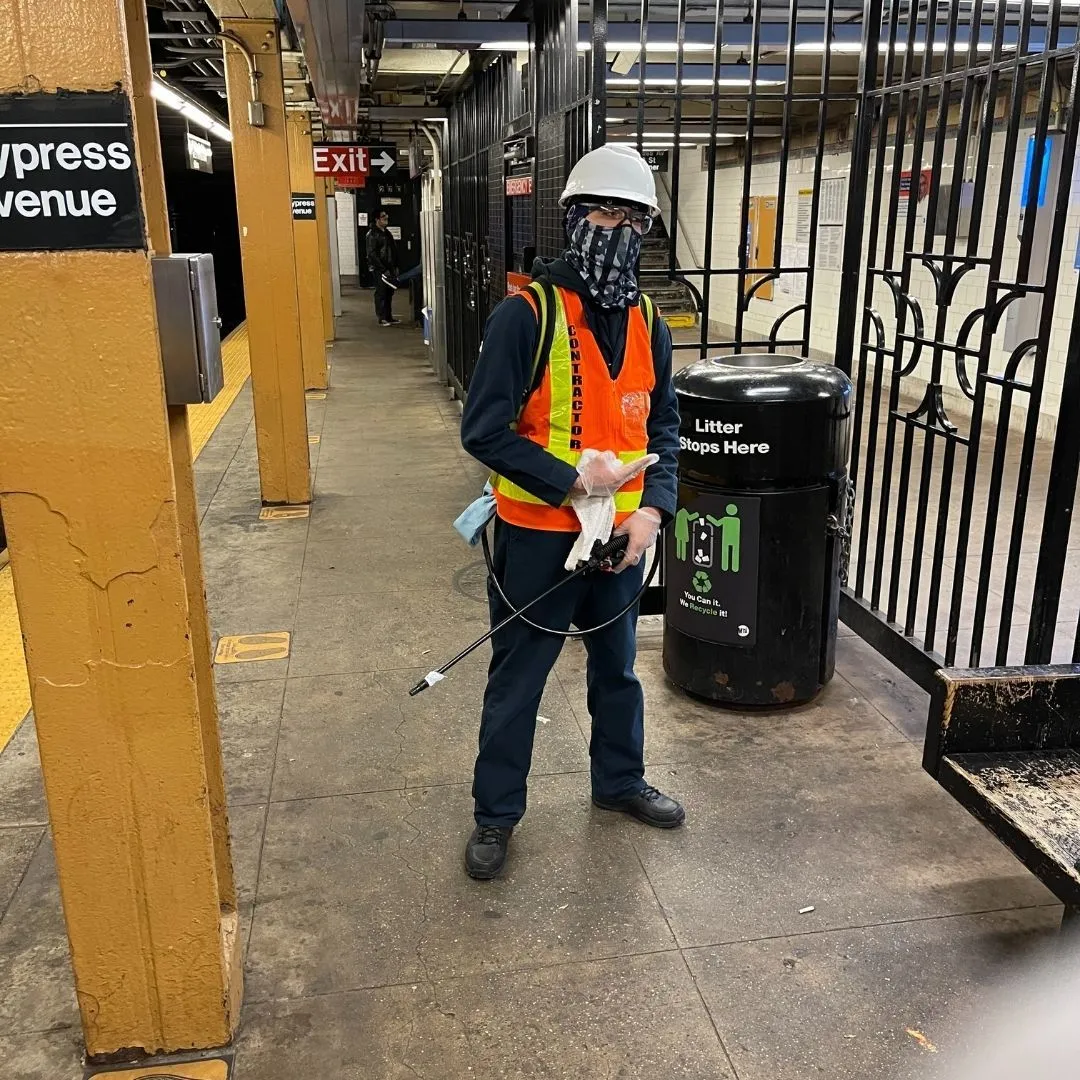
Participant Stories
Charandip’s Journey: From Incarceration to a Union Job
Charandip is a testament to the power of the human spirit to overcome adversity and create economic independence for himself and his family. Born and raised in Queens, New York, Charandip got into legal trouble when he was very young; trouble that followed him into adulthood. He spent a total of six years in prison at different points in his life and came to CEO in 2020, after his last two-year sentence.
Read the storyCEO Updates
Effectively Reaching Young Adult Job Seekers with Prior Justice Involvement
The Center for Employment Opportunities (CEO) and our partners launched a Credible Messenger Initiative (CMI) in 2017 as part of a broader strategy to improve services for justice-involved young adults in CEO's NYC workforce development program. The initiative paired young adult participants with full-time mentors who shared similar lived experiences to build trust and connection and to support them throughout their participation in CEO’s program.
Read the story
Staff Stories
#MLKDay Series 2021: Destiny Fordham
As a young girl I often reflected on what Martin Luther King’s contributions were to our world in awe. I was always so intrigued by his influence and the work he did within the community to organize and stand against racism. His ability to persist and be a leader on racial justice at such a pivotal time still evokes emotion in me today. I saw him as a super man with a superpower.
Read the story