Blog
Thank you! Your submission has been received!
Oops! Something went wrong while submitting the form.

Staff Stories
#MLKDay Series 2021: Wallace St. Clair
The life and teachings of Dr. King have meant a variety of things to me over the years. I was 6 years old when he was assassinated. While I definitely was too young to fully appreciate the lessons of his life, my understanding grew over time and he has since been a champion and role model for me. I remember sitting in the living room with my mother watching and listening to him on the news and radio. I had yet to experience the intensity of the racism being shown on television. My kinship with the people being attacked by dogs, fire hoses and police fostered an undeniable awareness, fear of and anger towards the “establishment.” Simultaneously, there was an invincible air of hope and promise in Dr. King's booming voice that reassured me. It conveyed a sense that we were going to win. I can still clearly see the knowing glances, genuine smiles and nods being exchanged whenever my family gathered to hear him speak.
Read the story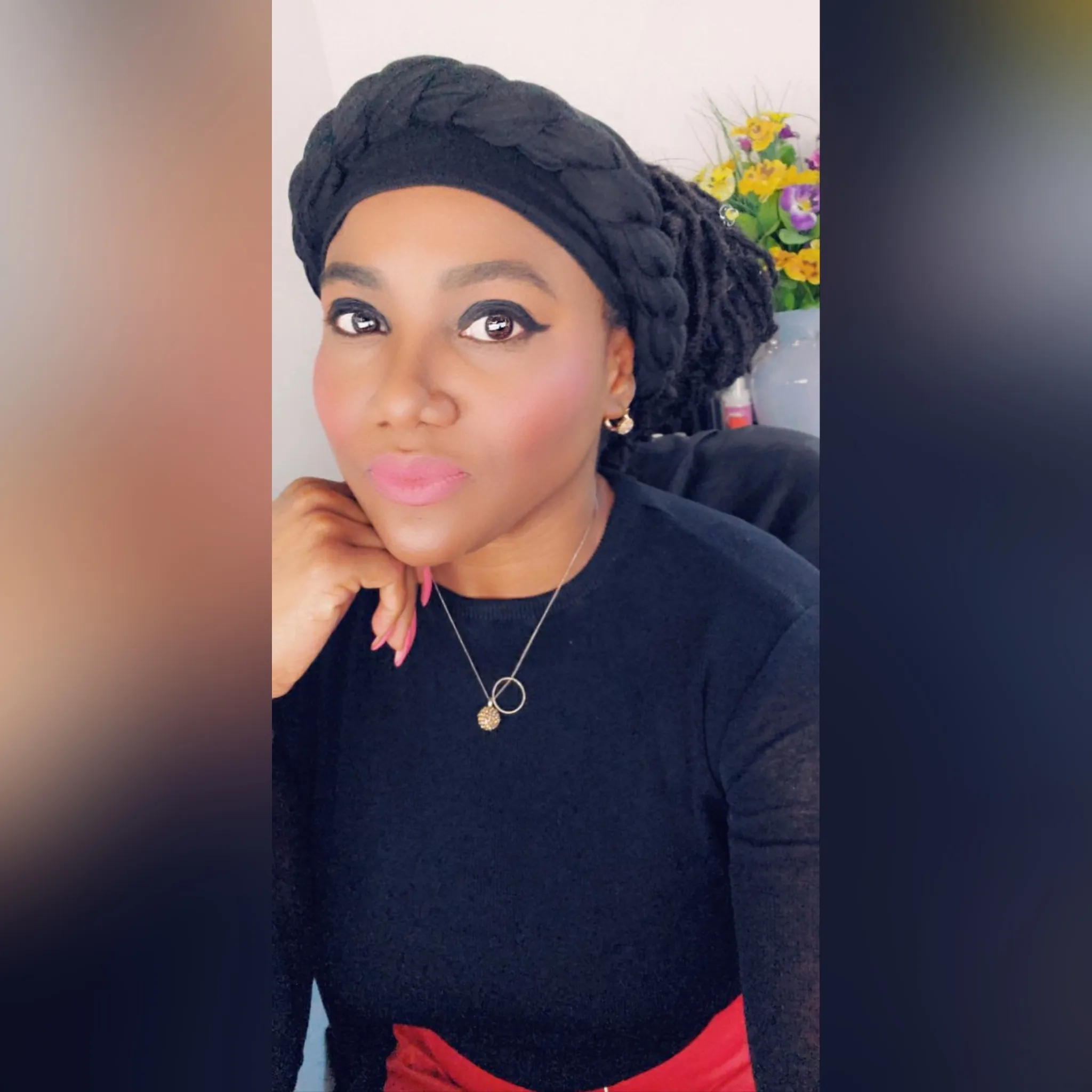
Staff Stories
#MLKDay Series 2021: Ayanna Teesdale
"With the challenges and controversies that we are currently facing in society, Martin Luther King Jr. Day allows us to pause and honor one of America's greatest leaders. We are reminded on this day of all the risks, sacrifices, and consequences he faced to inspire us to stand for social justice and equality for all. Dr. King also showed us that making a difference is a team effort. He didn’t just give speeches, he asked people to join him in peaceful demonstrations and service to others. His words and actions help to inspire those struggling for social progress and opened the doors of opportunity for all people. He called us to get involved in something bigger than ourselves."
Read the story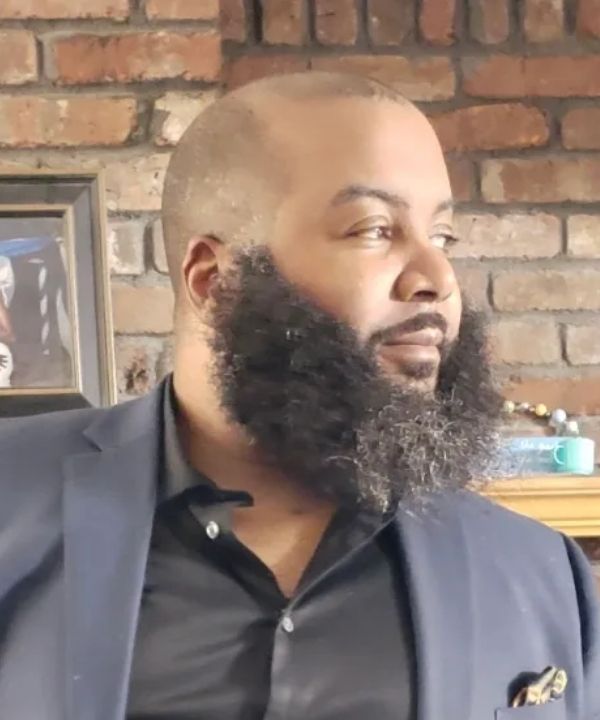
Staff Stories
#MLKDay Series 2021: Keito Gray
"8 minutes 46 seconds. CDs. Wrong House Sleeping at home. Kalief Browder. Trayvon Martin. Central Park Five. Malcolm and Martin. Emmett Till. Nat Turner. The captive Africans crammed into the bowels of a slave ship, who communicated through their tears, and committed suicide as an act of rebellion - I carry these ansestors in the roots of my soul. As a Black man, I was never taught how to survive in a land that has oppressed my soul. I feel foreign to the sole of my feet as I walked on soil that was never meant to nourish and grow me. I carry the weight of injustice, but also the initiative to implement change. Dr. King said, “Injustice anywhere is a threat to justice everywhere. We are caught in an inescapable network of mutuality, tied in a single garment of destiny. Whatever affects one directly, affects all indirectly.” This serves as the blueprint for the work I do today."
Read the story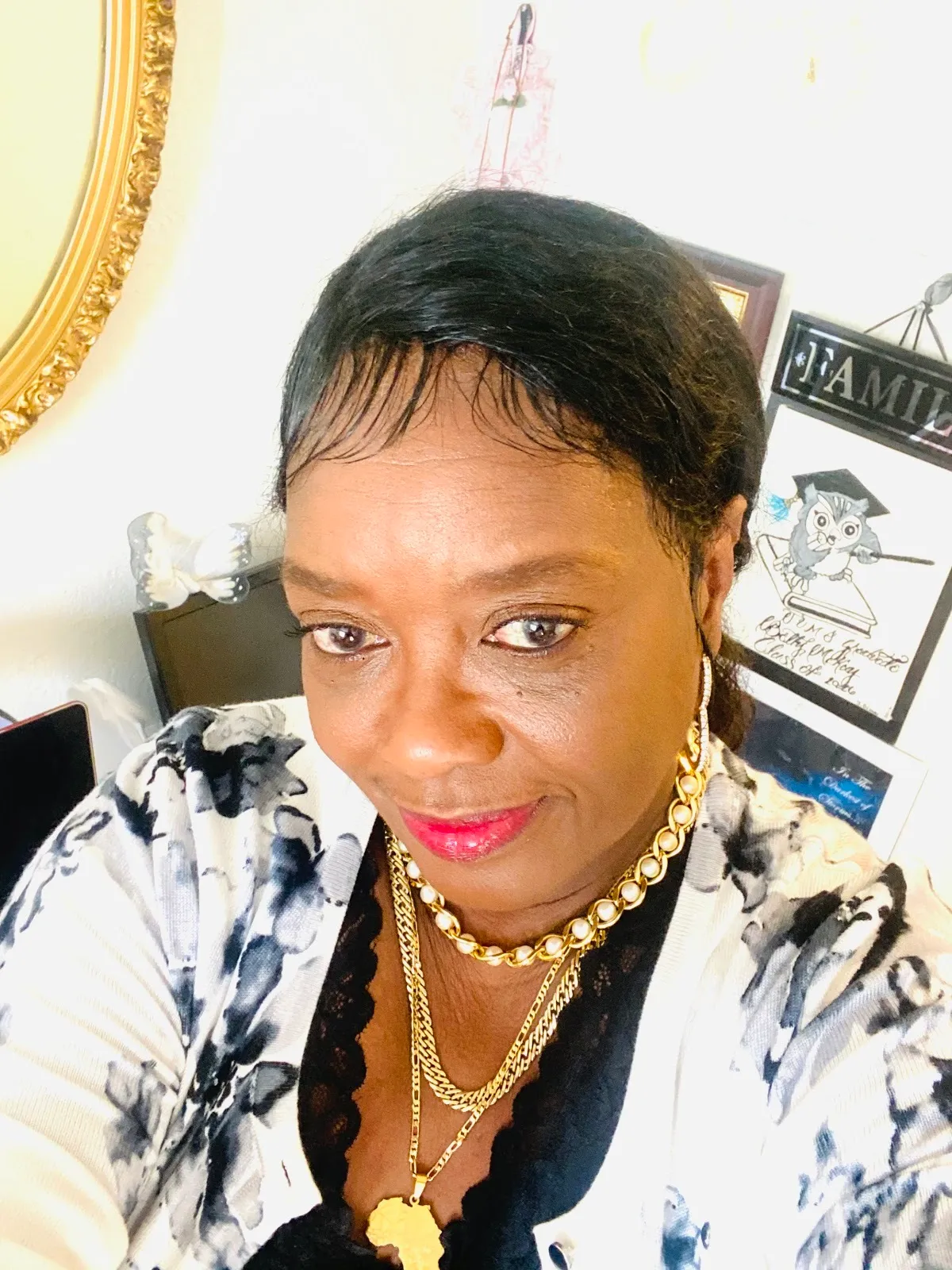
Participant Stories
#MLKDay Series 2021: Betty McKay
Voting became an important issue for me while I was incarcerated at a California State Prison. It became clear to me that the system, which chose to treat me inhumanely and like I was disposable, acquired the power to do so by the public vote. I learned felony disenfranchisement had been a form of voter suppression aimed at black and brown people for over 100 years. Today, I continuously pose the question to myself and others: “If my vote has no power, why have they made it so difficult for me and people like me to exercise our right to vote?”
Read the story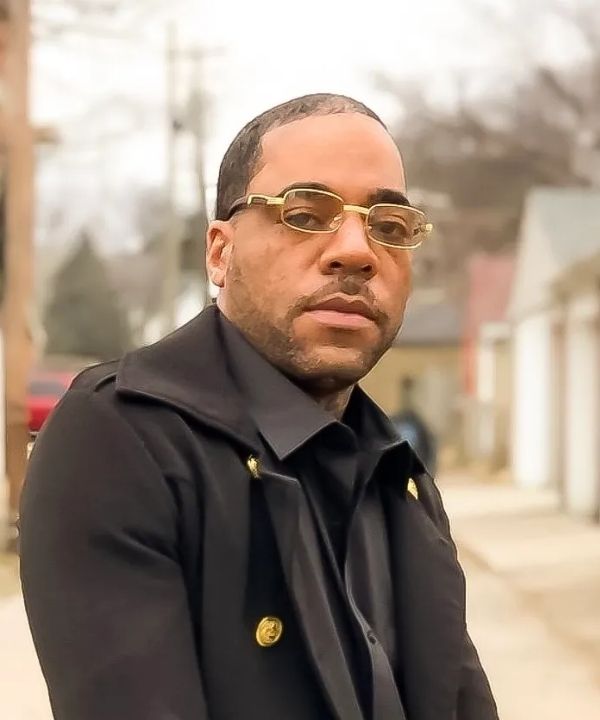
Participant Stories
#MLKDay Series 2021: Joseph Langdon
I was released from prison in September 2020 after 22 long hard years of incarceration. I went into prison as a 19-year-old young man and returned to the community as a 41-year-old grown man. While in that mad house that is prison, which is full of anger, rage, and negativity, I emerged as a new person with new thinking. While in prison I used my time to engage in self-reflection, education, and hard work, with a focus on being a more productive human being. In that very dark and lonely jail cell, I discovered my untapped talents and purpose. I discovered that I wanted to write and be a public speaker. I want to share my story of struggle, oppression and redemption with people so the lessons of my life can inspire others to be their best selves.
Read the story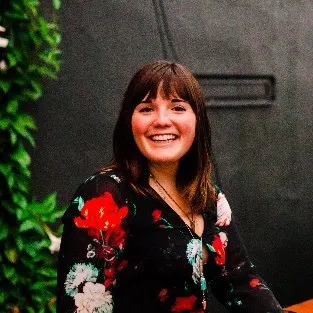
Staff Stories
#MLKDay Series 2021: Erica DiMartino
Dr. Martin Luther King Jr. believed in people. He acknowledged the divisions that kept us apart and harmed our national character but had confidence that each one of us sought greater unity and equality. He recognized that racism and inequality can never be accepted. We must meet intolerance with education and action to come to a solution. My hope is that we are able to abandon our focus on the comforts of personal prosperity, and instead embrace fidelity to social justice and equality for all. When a life has suffered injustice at the hands of another, no person goes untouched by the repercussions -- Given recent events, we see that now more than ever.
Read the story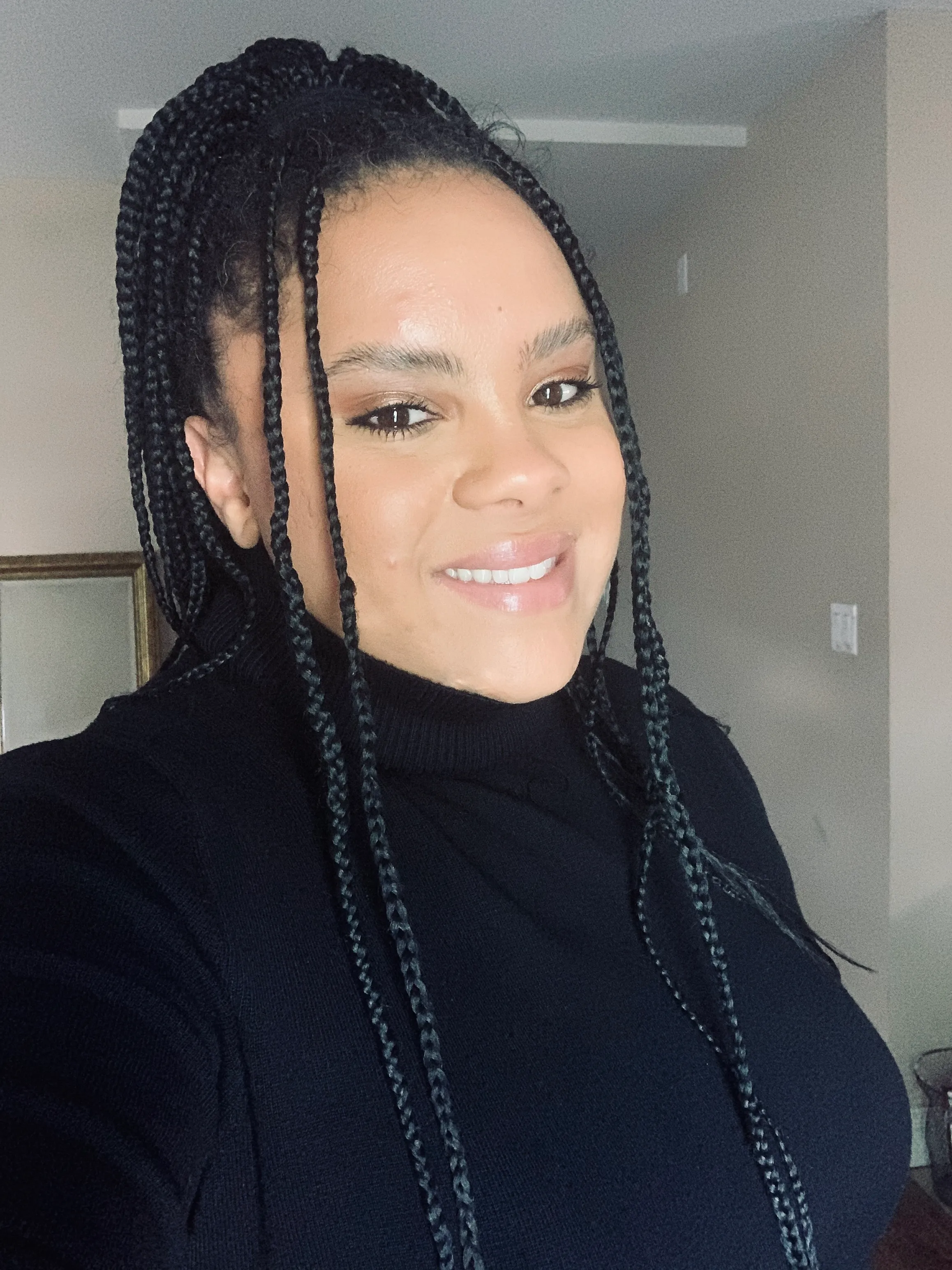
Staff Stories
#MLKDay Series 2021: Alexa Harris
"I remember seeing Dr. King’s mural at the Compton courthouse after attending a probation meeting to tell folks about CEO. I remember feeling how important that conversation was because most of our colleagues were coming from South Los Angeles. I remember being in a room with mostly Black people, building relationships that would have a lasting impact. Planting a seed in the community to make a difference. To literally change lives. I am reminded of the countless Black and Brown kids that came in with their parents to our office, seeing their mother or father engaged in conversation with us. I carry that memory as a symbol for anything I do here at this organization: it must be rooted in anti-racism."
Read the story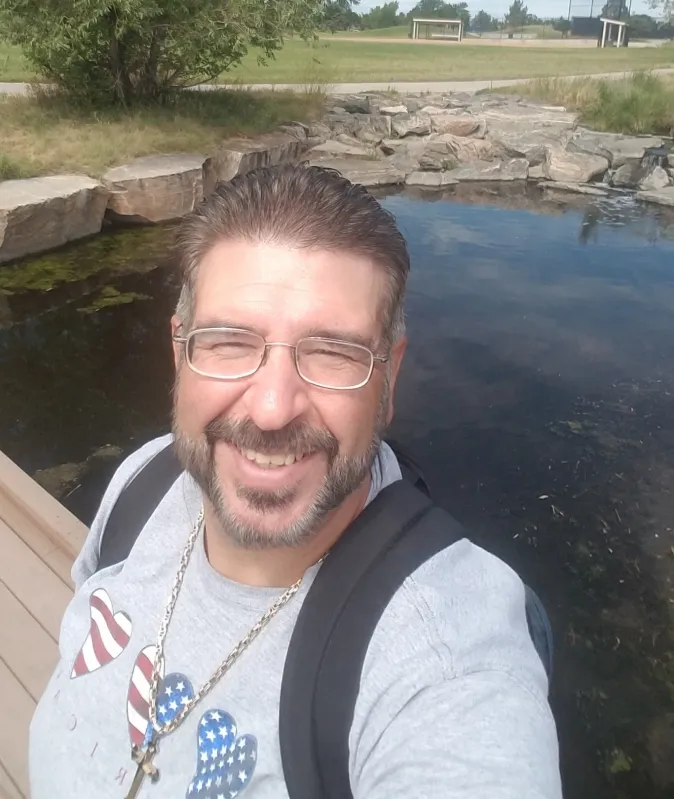
Participant Stories
A First Time Voter Shares His Story
According to the Sentencing Project, 5.1 million people with felony convictions are unable to vote in the 2020 election. Felony disenfranchisement is among the over 45,000 collateral consequences faced by the estimated 19 million people with felony convictions. In response, CEO launched our first-ever voter registration drive focused on helping our participants and others with a felony conviction to exercise their right to vote this cycle. The non-partisan effort, a partnership with Vote.org and Spread the Vote, includes the creation of a voter resource page on our website that allowed voters to check their registration, register to vote and access other information on voting.
Read the story
CEO Updates
Meeting The Need: How CEO Has Responded to COVID
The impact of COVID-19 on the health and economic stability of every American is unprecedented, and justice-impacted people are among those most affected, particularly in low-income communities of color from which so many currently incarcerated people come. As our state continues to respond, CEO is active in the community offering employment and training to those returning home from incarceration. Through CEO’s transitional jobs program, participants have been on the front lines providing essential work to their communities.
Read the storyCEO Updates
Injustice for Breonna Taylor and Many More in Kentucky's Legal System
Breonna Taylor was murdered by the police in her own home, and last week we learned that no police officers will be held criminally responsible. Attorney General Cameron presented limited charges and the grand jury only indicted one officer for wanton endangerment, alleging only that he shot blindly into a neighbor’s home during the raid. This is not only a failure of police officers to do their jobs effectively– it is a failure of the very institutions and laws that are supposed to keep community members safe.
Read the story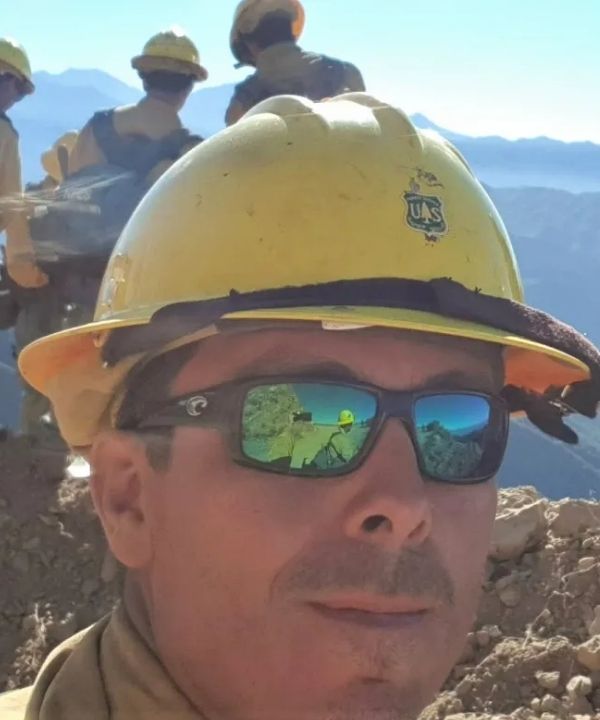
Participant Stories
Former CEO Participant And Second Chance Hero Battles Fires in California
Recently, California Governor Gavin Newsom signed AB 2147. The bill, sponsored by Assemblymember Eloise Reyes (D-San Bernardino), provides a pathway for inmate firefighters to petition the courts to have their records expunged. CEO participant Victor Canales was released in 2019 before the law was changed. While not a direct beneficiary of the recent change, his story highlights the difficult path that inmate firefighters have to take to pursue a career in firefighting after release. While Victor is still working on his career path, his story offers inspiration for others.
Read the story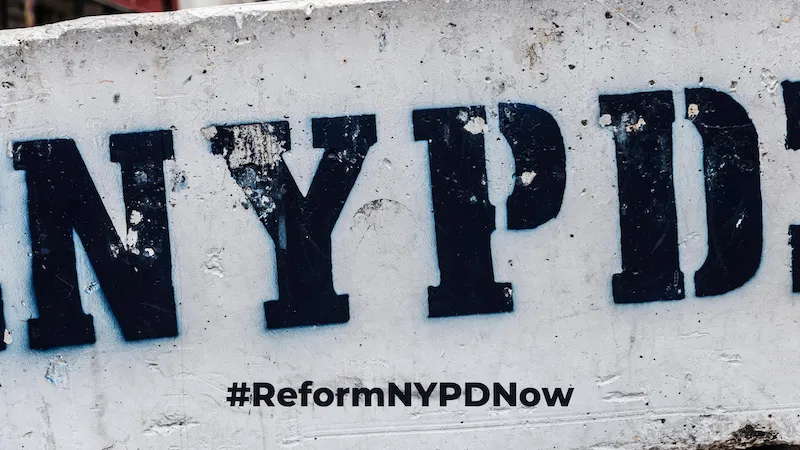
CEO Joins 50 NYC NonProfits Calling for Police Reform
Policing in the United States has been under increased scrutiny and calls for reform in the wake of the deaths of George Floyd, Breonna Taylor, and more recently, the shootings of Jacob Blake and Trayford Pellerin. These all-too-familiar tragedies serve as direct evidence as to why public trust in policing has declined, especially in low-income communities of color that bear the brunt of these practices.
Read the story