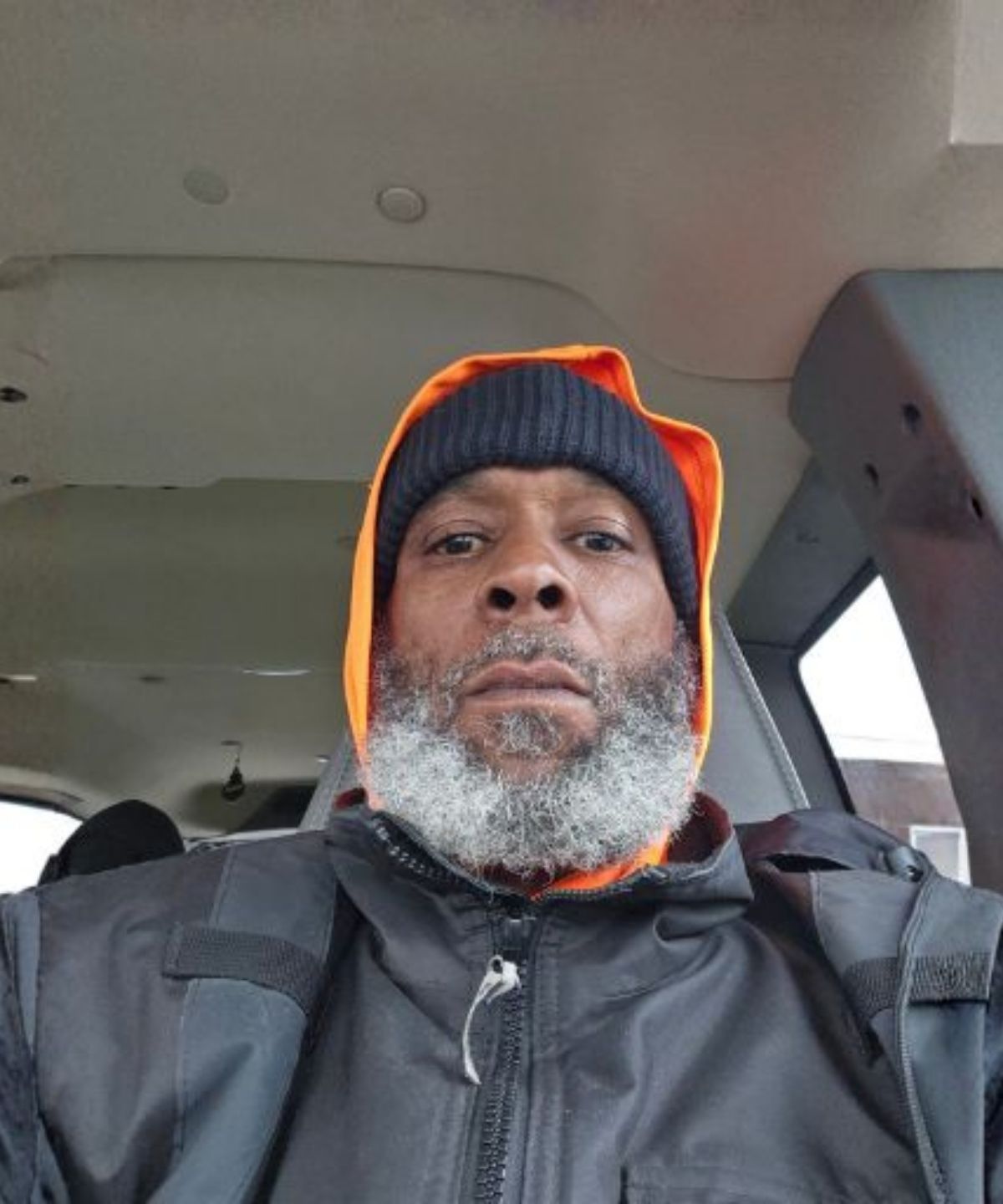
On the first day of Ramadan, as Muslims around the world begin a month of fasting and reflection, Linwood is thinking about gratitude, growth, and accountability. Currently, as the Senior Site Supervisor for the Center for Employment Opportunities (CEO) in Philadelphia, he leads people who are navigating reentry after incarceration. He is also justice-impacted. And he is Muslim. For Linwood, those identities are interconnected and shape his perspective on life.
Linwood grew up in the Nicetown section of North Philadelphia, where faith was not always central in his early life. “I learned about Islam at a young age,” he says. “But during the times I got in trouble and went to jail and prison, I embraced Islam slowly but surely.”
Like many justice-impacted people, his relationship with faith deepened during incarceration. But, as he states, “What began as exposure became structure, what began as belief became discipline.” Today, Islam is the foundation for how he lives and leads. For Linwood, Ramadan is not simply about abstaining from food and water during daylight hours. It is a spiritual reset, one that mirrors the internal work required during re-entry.
“It’s a time to reflect on my past actions and my future goals,” he explains. “It’s about being grateful and humble. The floodgates are open for acts of love.”
For someone rebuilding their life after incarceration, that reflection carries weight. Ramadan calls for honesty with oneself, and as Linwood says, “So does reentry. Both require patience. Both demand accountability. Stay ready so you don’t have to get ready.”
That message also resonates deeply with the people he supervises. Many are navigating not only employment and stability, but also unlocking a new character between who they were, who they are, and who they want to become.
“I love being able to tell them where I came from and where I’m at today. When I first came home, I was struggling,” he says. “I reached out to CEO, and I’ve been winning ever since.”
As a justice-impacted Muslim in leadership, Linwood is intentional about authenticity. He understands that the people he works with are observant in more ways than one.
“People who’ve been through prison, we’ve been in survival mode, we watch everything, and we see through it if you're faking it. You can't put on or perform.”
Faith, for him, is not performance. It is consistency. Showing up the same way every day. Practicing patience even when it is hard. Choosing discipline when old habits feel easier.
When asked what he hopes people will better understand about justice-impacted Muslims, especially in conversations about faith and work, Linwood returns to patience.
“I want people to understand that we’re serious about change,” he says. “When somebody learns real patience and real forgiveness, it shows up in everything.”
For Linwood, Ramadan and reentry are connected by the same principles: transformation requires discipline, humility, and patience. He shows up steady. He shows up focused. He shows up as himself. And in doing so, he offers a powerful example of what it means to rebuild not just a career, but a life, at the intersection of faith and fair chances.
Stay connected—sign up for our newsletter to learn how CEO supports justice-impacted individuals through career building, advocacy, and policy change. Check out more stories on our blog or donate to support economic mobility.