SNAP Assistance

SNAP Assistance
How Fair Chance Hiring and SNAP Can Make or Break Dion’s Success
When Dion walks through the east side of Detroit on his way to work, it’s not just another commute – the 56-year-old is walking on a sidewalk that he was never meant to walk on again; was hearing sirens that he was never meant to hear again. Dion served 38 years of a life sentence before being released from a Michigan correctional institution 14 months ago. His journey from an upper‑class childhood to incarceration, and now to a life of service and mentoring, is one of remarkable transformation.
Read the story
SNAP Assistance
“You Have to Be the Change”: Reggie and the Community Response to the 2025 SNAP Pause
When Regnarian “Reggie” came home, nothing about reentry was easy. He had returned not to his hometown of Brooklyn, but to Philadelphia, a city where he had no family, no friends, and, at first, no safe place to land. “The halfway house I was in had open drug use, theft, fights every day,” he told me. “I knew I had to advocate for myself if I wanted to survive.”
Read the story
SNAP Assistance
Reimagining SNAP as a Bridge to Opportunity
When a government shutdown abruptly halted SNAP benefits, the impact was immediate. At the Center for Employment Opportunities (CEO), our phones rang off the hook. Staff across our sites worked urgently to help participants navigate what the cutoff would mean for their families.
Read the story
SNAP Assistance
John's Reentry Story: Beating the Odds with Hard Work and Food Assistance
Upon his release, John moved into a transition house where one of the biggest challenges was not having food or clothes. Residents were required to take care of their own necessities, and most of his housemates had food assistance from CalFresh, California’s Supplemental Nutrition Assistance Program for people with low income.
Read the story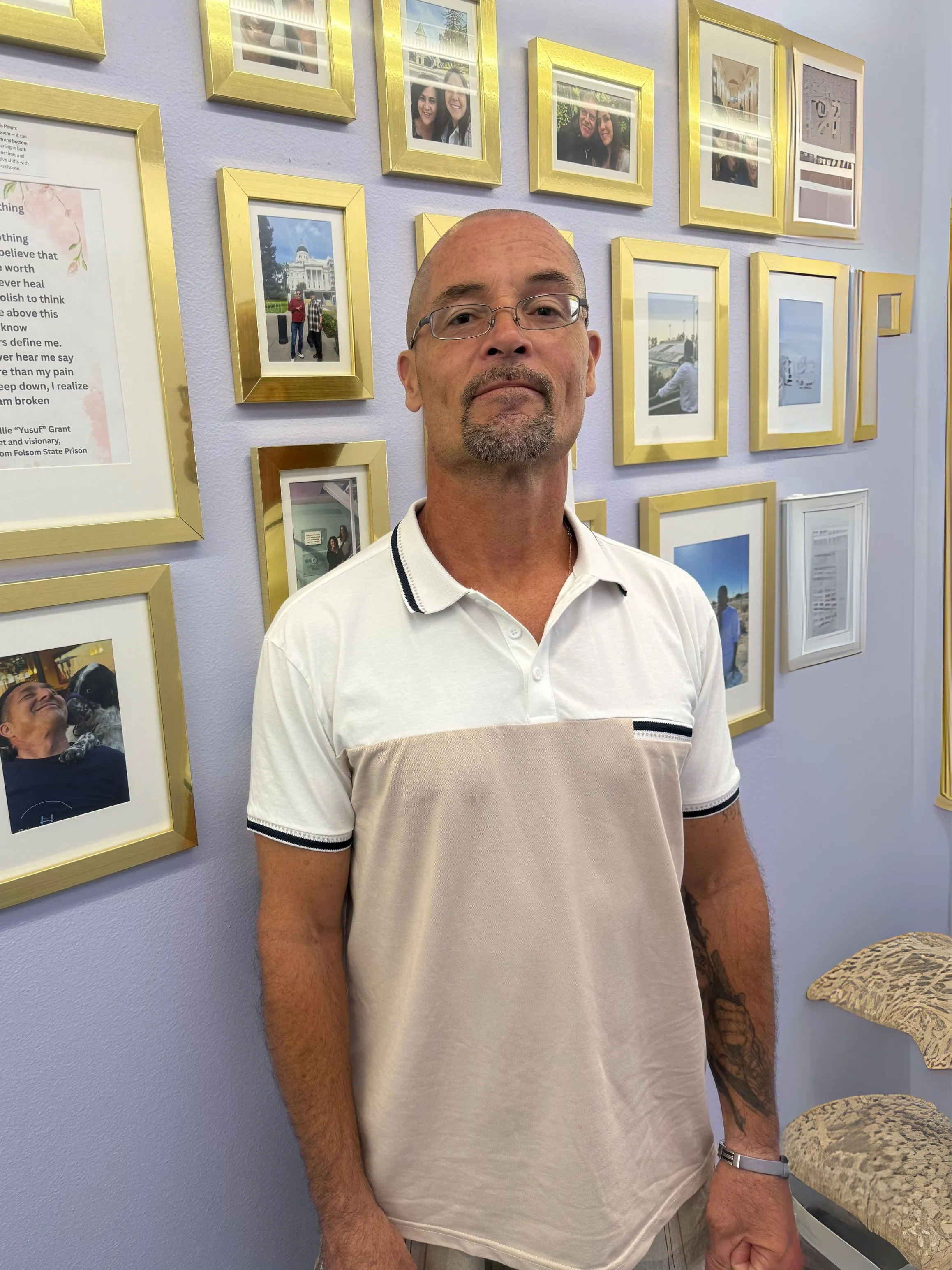
SNAP Assistance
How Food Assistance Helped Victor Regain His Footing
When Victor was released after 41 years inside, he moved into a transitional house and started to rebuild. Reentry wasn’t easy – he had no job, no food or clothes, and little support. But one crucial lifeline that helped him survive during this time was California’s food assistance program, CalFresh. This federally funded Supplemental Nutrition Assistance Program is a safety net for those facing economic hardship, and it saved Victor.
Read the story
SNAP Assistance
One Hundred Dollars to Live: A Mother’s Reality on SNAP
Ramonia worked in public service in Ohio for nearly 20 years before a nonviolent criminal conviction in 2019 ended her career and livelihood. Although she avoided prison, she now faces significant challenges finding full-time, good-paying work due to her criminal record. Read the story
Read the story
SNAP Assistance
Pascual’s Road from Hardship to Stability
One of the most difficult positions to play in baseball is third base. The hot corner requires great hand-eye coordination, quick thinking, and speed. Pascual had all three and was being scouted by colleges when he was in high school, something every boy dreams of.
Read the story
SNAP Assistance
When the Punishment Doesn’t Fit the Crime
In New York, the Supplemental Nutrition Assistance Program (SNAP) provides food assistance for residents who need help and offers a pathway to free job training and trade certificates, allowing recipients to return to school or join the workforce with a new skill.
Read the story
SNAP Assistance
Congress Should Change SNAP benefits that Penalize Returning Citizens Who Work
I'm one of the lucky ones. After serving over 20 years in prison, I thought my most vital necessities - food and housing - were lost.
Read the story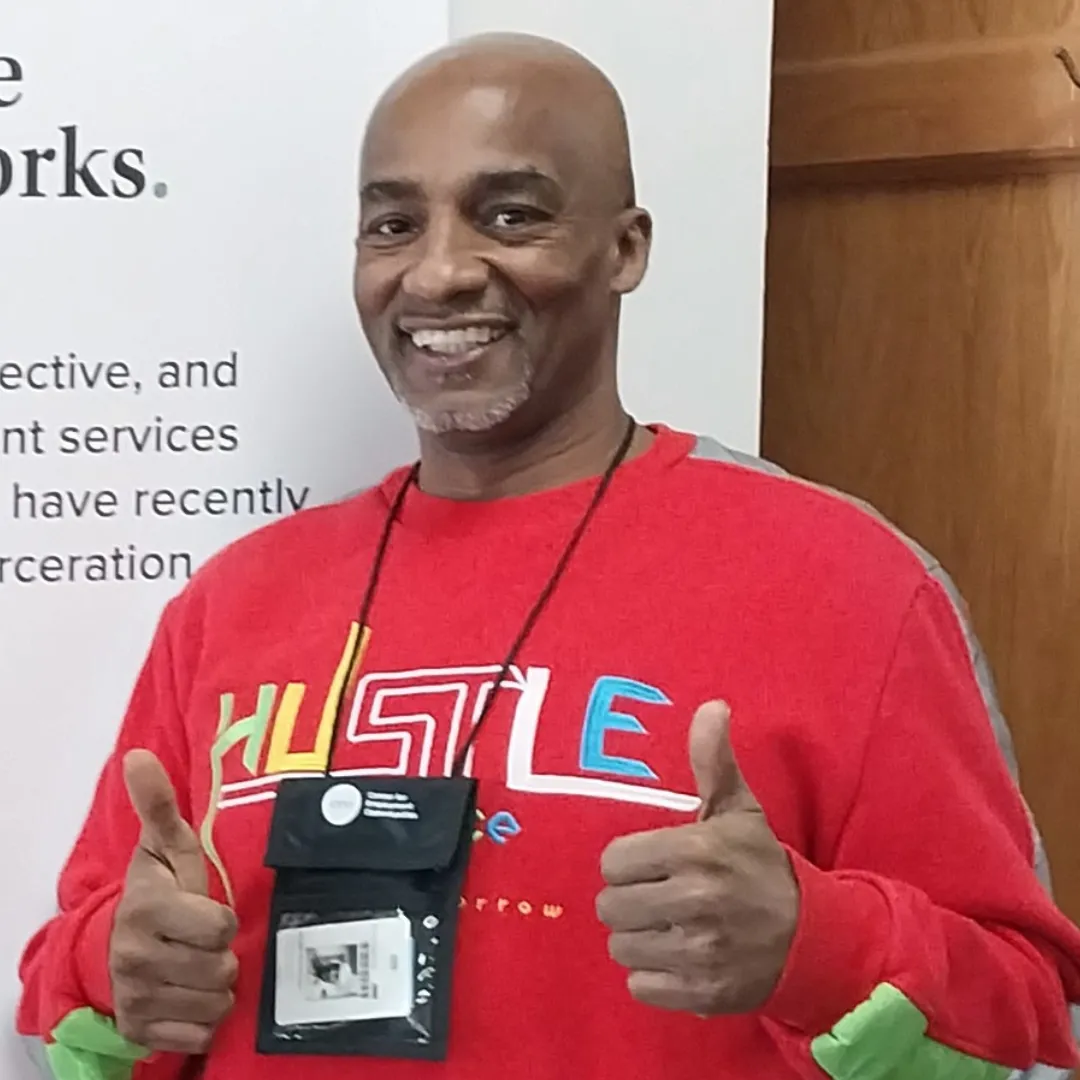
SNAP Assistance
With reentry support like SNAP benefits, Rubin builds a “solid foundation”
Rubin moved to Albany, NY, from Brooklyn with his mother in 1985. He says he loves the seasons of upstate New York and he is grateful to be close to other family members, such as nieces and nephews he has watched grow up.
Read the story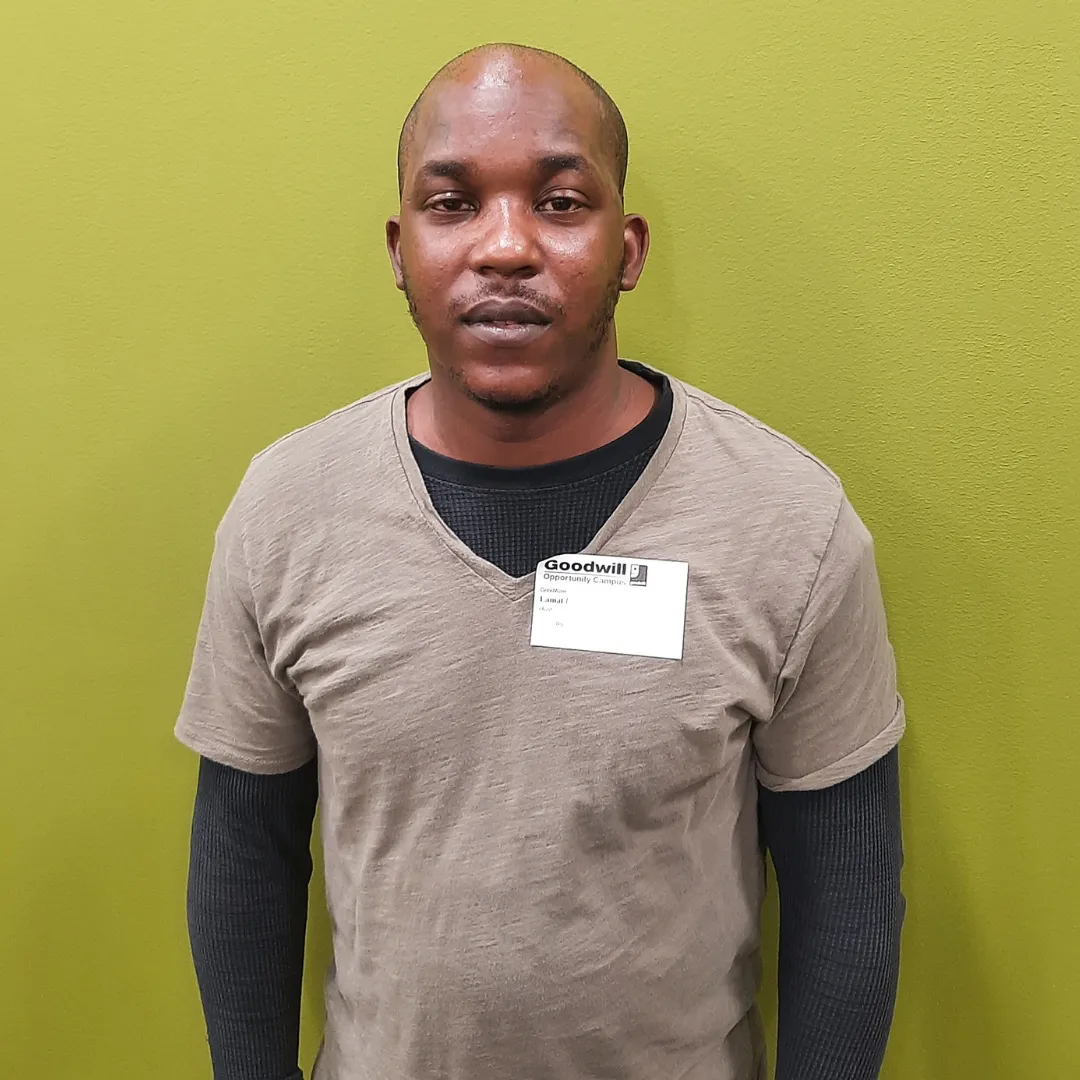
SNAP Assistance
Exclusionary SNAP restrictions hinder Lamar’s success
As the cost of living has risen dramatically around the nation, North Carolina resident Lamar thought he found a solution to help make ends meet: food assistance.
Read the story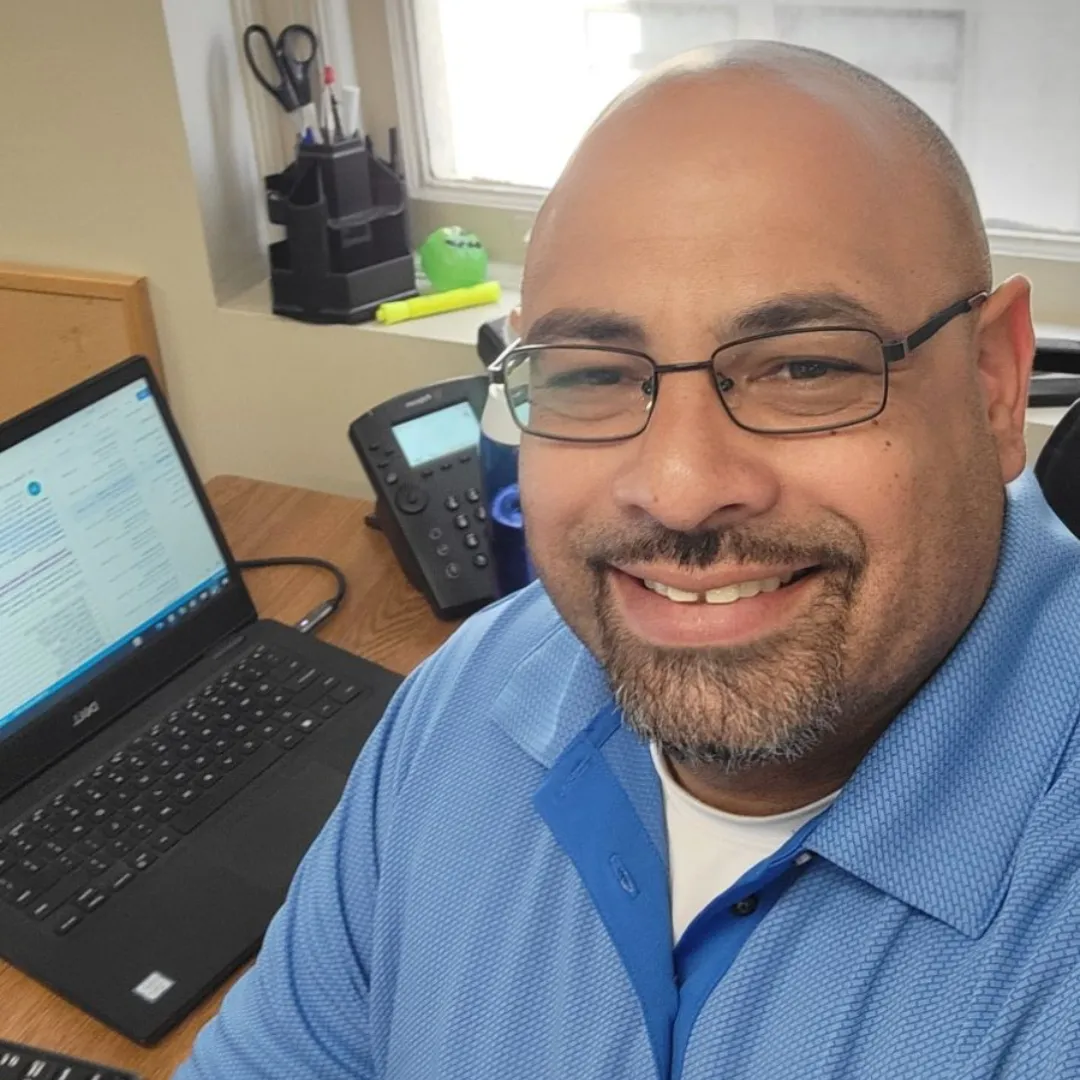
SNAP Assistance
Jose Shares Why SNAP Benefits Are Vital For Successful Reentry
Jose heard about the Center for Employment Opportunities (CEO) while residing at a halfway house in Philadelphia. With a referral from his unit team, he soon began working with a CEO crew cleaning up the streets of Philly, earning daily pay and receiving coaching to pursue the job of his choice. After 24 years of incarceration, he says the most troubling part of reentry was the fear of recidivism.
Read the story