Work is most effective when people are paid to participate in it — and when that work leads to economic mobility and quality jobs, not just short-term employment. For individuals returning from incarceration, income earned through paid training and transitional employment is often the difference between dropping out and completing a pathway to a quality, high-wage job. Through Opportunity 2030, CEO is working to ensure paid work and training are central features of America’s reentry and workforce systems.
Work-Based Income Supports Stability
Each year, more than 600,000 people return home from incarceration facing immediate pressure to earn income while navigating parole requirements, housing instability, transportation barriers, and limited job prospects. Traditional unpaid training models often fail this population — not because people lack motivation, but because unpaid participation is financially impossible.
Paid training and transitional employment allow returning individuals to
- Meet basic needs while building skills
- Remain engaged in training programs long enough to complete them
- Gain real work experience that employers value
- Transition more quickly into unsubsidized employment
For justice-impacted people, earning income while training is not a bonus — it is a prerequisite for economic mobility and long-term success.
Aligning Food Security and Workforce Participation
SNAP Employment & Training (SNAP E&T) is one of the most important — and underutilized — tools for income-supported reentry. The program allows states and providers to offer employment and training services to SNAP recipients, including paid work-based learning.
In the 2018 Farm Bill, Congress strengthened SNAP E&T by explicitly allowing:
- Paid work experience and transitional jobs
- Subsidized employment
- Apprenticeships and work-based learning
These changes recognized a simple truth: people with high barriers to employment are more likely to succeed when training is paid.
CEO operates SNAP E&T programs across multiple states and serves as a national leader in helping states and community-based organizations design SNAP E&T models that work for justice-impacted people. SNAP E&T enables CEO and its partners to reimburse up to 50 percent of eligible training and wage costs — making paid training scalable and sustainable.
Immediate Pay. Real Work. Proven Results.
Transitional Employment as Reentry and Workforce Infrastructure
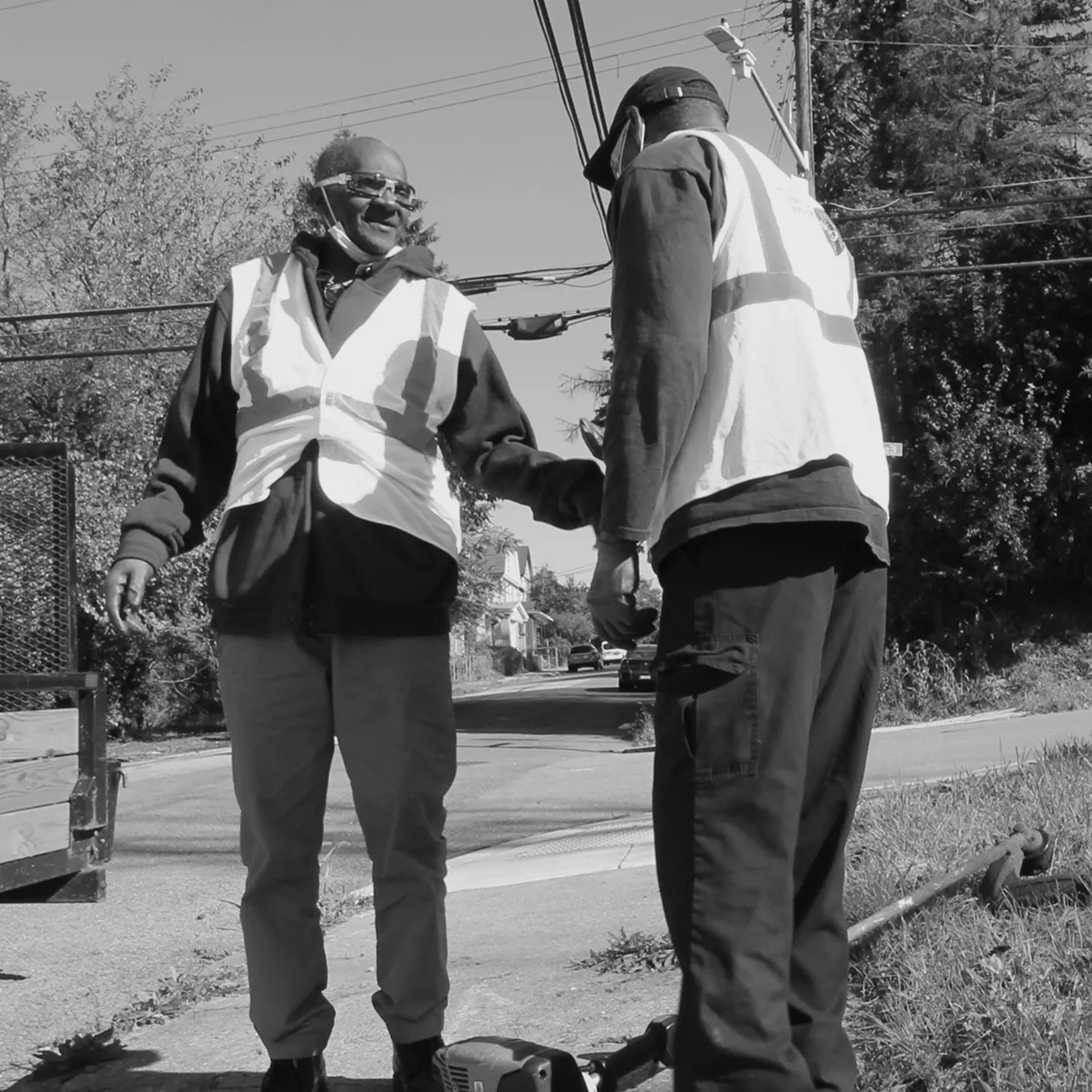
Transitional employment is a cornerstone of CEO’s reentry and workforce model, designed to move people toward quality jobs with advancement potential, not cycle them through low-wage, unstable work. Participants are placed in paid, time-limited jobs that provide immediate income, structured supervision, and skill development — often their first job after release.
CEO’s transitional employment model
- Pays participants for every hour worked
- Builds soft skills and work habits alongside technical skills
- Provides a bridge to permanent, unsubsidized employment
- Is rigorously evaluated and shown to improve employment outcomes and reduce recidivism
Independent evaluations show that CEO participants are significantly more likely to be employed years after program completion compared to individuals who receive basic job search assistance alone.
Paid transitional work stabilizes people early — creating the foundation needed to pursue long-term career pathways.

From Transitional Work to Quality Jobs
Paid Advanced Training and Credential Pathways to Quality Jobs
Income-supported reentry does not stop at entry-level work. Economic mobility requires access to quality jobs that pay family-sustaining wages and offer advancement opportunities. For many participants, advancing to family-sustaining wages requires industry-recognized credentials and specialized training.
CEO supports paid advanced training pathways that allow participants to earn income while completing certifications in high-demand fields, including:
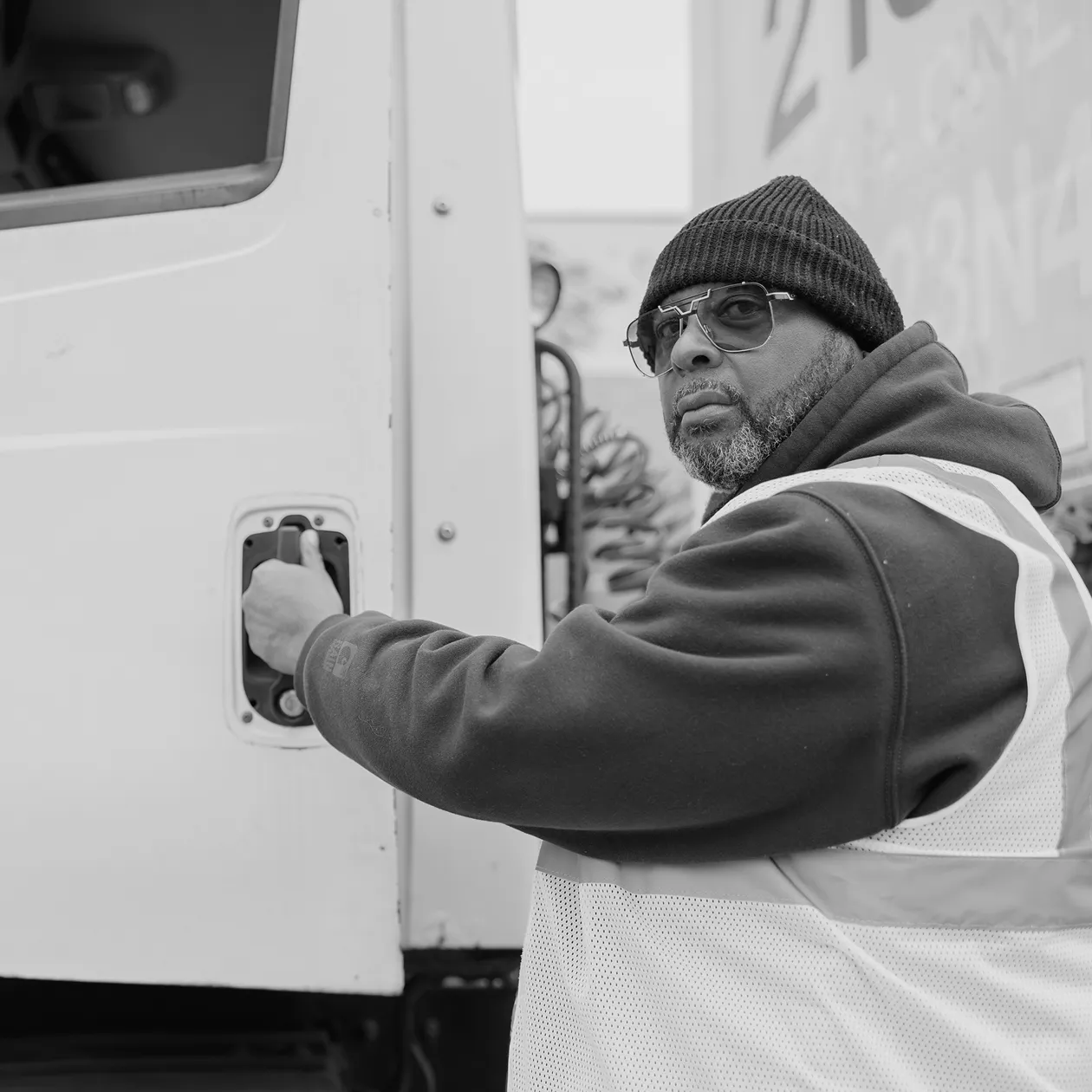
- Commercial Driver’s License (CDL)
- Information technology and IT support
- Construction and skilled trades
- Other sector-based credential programs
Through stipends, paid work-based learning, and SNAP E&T-supported wages, participants are able to complete advanced training without sacrificing financial stability.
Participants who combine transitional employment with advanced training show
- Higher job retention rates
- Increased wages
- Stronger long-term attachment to the workforce

When Systems Work Against Work
The Policy Challenge
Despite strong evidence, policy barriers often undermine paid training models.
One major challenge is the interaction between paid training wages and public benefits eligibility. In many cases, temporary income earned through SNAP E&T or workforce programs can reduce or eliminate SNAP benefits — forcing individuals to choose between food security and completing training.
This contradiction discourages participation in evidence-based programs and weakens return on public investment.
Recognizing this challenge, CEO is leading national advocacy to ensure that paid training functions as Congress intended — as a bridge to employment, not a barrier to basic stability.

Policy Priorities
Opportunity 2030
Under Opportunity 2030, CEO’s policy priorities focus on strengthening income-supported reentry through paid work and training by:
- Protecting SNAP eligibility for individuals participating in paid SNAP E&T training
- Advancing the Training & Nutrition Stability Act to fix the “work or eat” Catch-22
- Expanding state capacity to use SNAP E&T for paid transitional employment and advanced training
- Supporting workforce systems that prioritize paid, evidence-based training for justice-impacted people
These reforms ensure that public dollars reward work, training, and accountability — while producing better outcomes for participants and taxpayers.

Work That Pays Builds Futures
When paid training and transitional employment are embedded into reentry systems with a focus on quality jobs:
- Training completion increases
- Employment outcomes improve
- Reliance on public benefits decreases over time
- Public safety outcomes strengthen
This approach reflects CEO’s Opportunity 2030 vision: a reentry system that treats people as workers and contributors — and invests accordingly.
Help Build Workforce Pathways That Work
Policymakers, workforce agencies, employers, philanthropy, and advocates all have a role to play in expanding paid training pathways for people returning from incarceration.
Join CEO in advancing Opportunity 2030 and building reentry systems where work is paid, training leads to careers, and opportunity is real.