For people returning from incarceration, the ability to work is often blocked long before a job interview begins. Criminal record barriers, outdated hiring practices, and lack of access to basic identification documents prevent qualified individuals from entering the workforce.
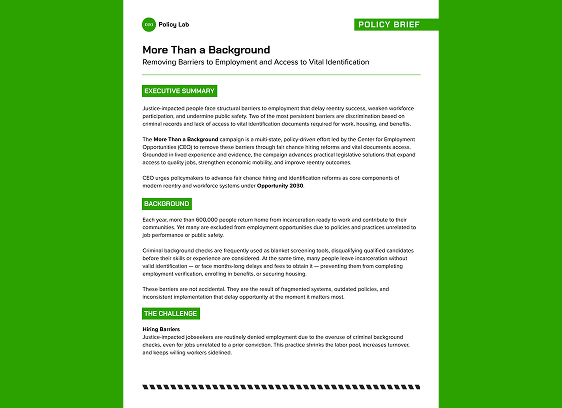
Through Opportunity 2030, CEO is advancing the More Than a Background campaign — a multi-state, policy-driven effort to remove structural barriers to employment and basic needs so talent, readiness, and skill determine opportunity, not a past conviction.
Opportunity Depends on Access
Each year, more than 600,000 people return home from incarceration ready to work. Yet many are excluded from employment and stability due to structural barriers that have little to do with skills or motivation.
CEO’s 2025–2026 State of Your State survey underscores the scope of the challenge:
- Demonstrated the value of hiring justice-impacted workers of respondents reported losing a job opportunity because of their criminal record
- Addressed employer concerns through structured supervision, coaching, and performance data reporting losing 11 or more job opportunities over time due to their record
- 38% reported leaving incarceration without the necessary identification documents, such as a state ID, birth certificate, or driver’s license
Without fair hiring practices and access to identification, returning individuals face delays in accessing work, housing, healthcare, and public benefits — increasing instability during the most critical period of reentry.
Barrier removal is not about lowering standards. It is about ensuring people are evaluated based on their qualifications, readiness, and ability to succeed.
More Than a Background
More Than a Background began as a public awareness campaign to address the overreliance on criminal background checks in hiring. In 2026, it has evolved into a legislatively focused, multi-state campaign advancing concrete reforms that expand access to employment and economic mobility.
Fair chance hiring policies promote employment practices that:
- Delay consideration of criminal history until later in the hiring process
- Require individualized assessments rather than blanket exclusions
- Ensure hiring decisions are job-related and consistent with business necessity
Fair chance hiring benefits both workers and employers by expanding the talent pool, reducing turnover, and aligning hiring practices with workforce demand. CEO works directly with employers and partners to:
- Demonstrate the value of hiring justice-impacted workers
- Address employer concerns through structured supervision, coaching, and performance data
- Support implementation of fair chance laws so policy change translates into real hiring practice
By combining legislative reform with employer-facing strategies, CEO ensures fair chance hiring works in practice — not just on paper.
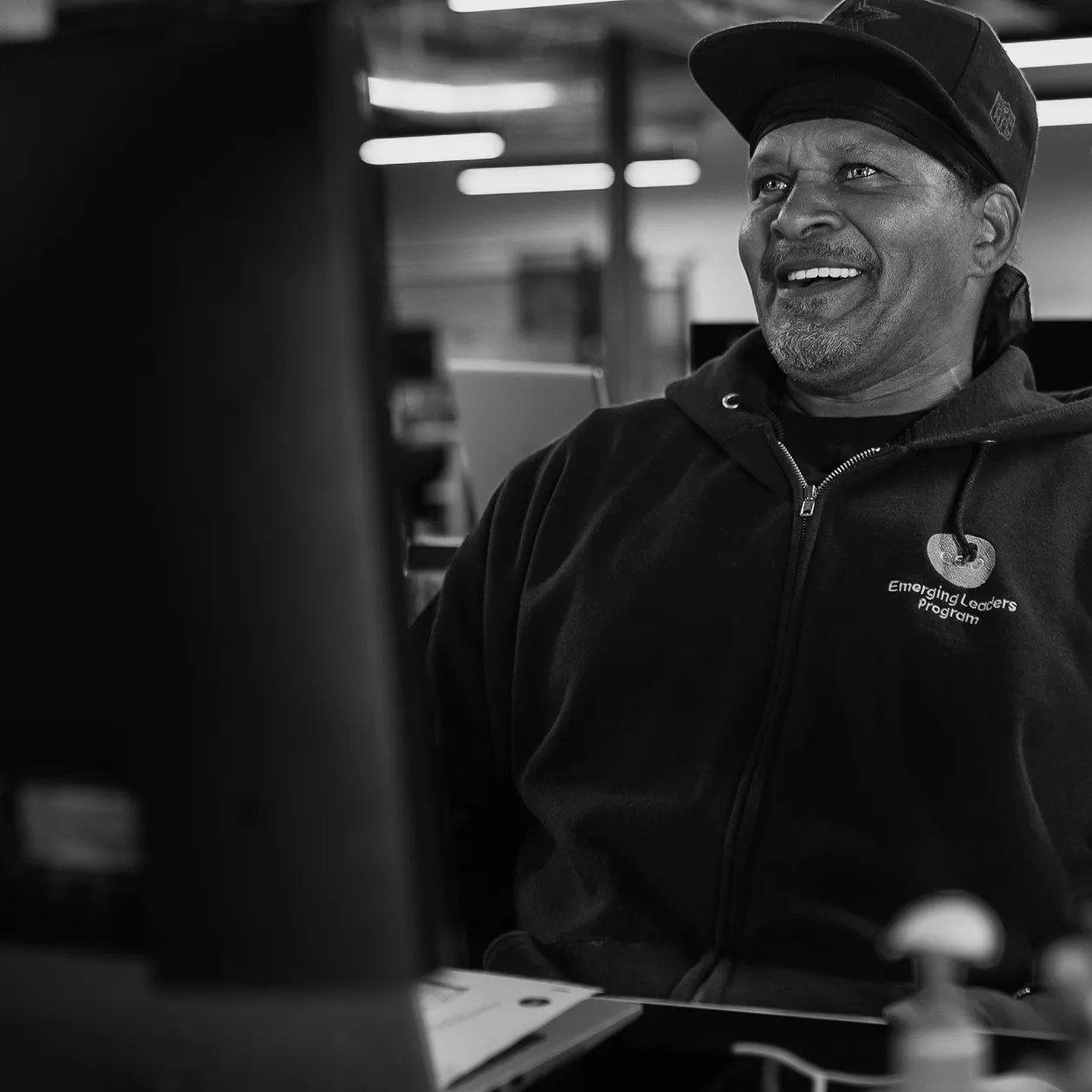
A Gateway to Work and Stability
Access to Vital Identification Documents
Access to identification is a prerequisite for nearly every step of reentry. Yet many people leave incarceration without valid documentation or face months-long delays and fees to replace it.
Without identification, individuals cannot:
- Complete I-9 employment verification
- Enroll in SNAP, Medicaid, or other benefits
- Open bank accounts or secure housing
Through More Than a Background, CEO is advancing vital documents reform to ensure people can access identification before or immediately after release — creating a clear on-ramp to work and stability.

Fragmented Systems, Delayed Opportunity
The Challenge
Current systems often treat identification access and hiring practices as separate issues, despite their combined impact on reentry outcomes.
Common challenges include:
- Limited pre-release access to state-issued IDs
- Administrative delays and fees for replacing documents
- Inconsistent employer adoption of fair chance practices
- Overly broad or permanent exclusion policies
These barriers delay employment, increase reliance on emergency systems, and undermine investments in workforce training and reentry services.
Think Pieces
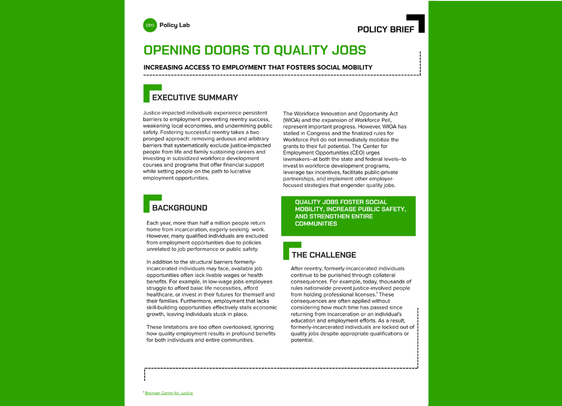
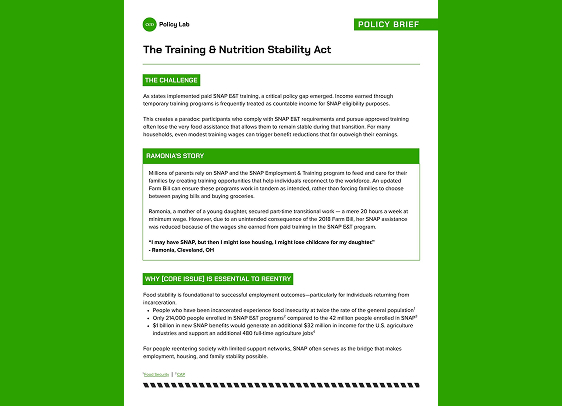
Policy Briefs
.png)
.png)
Policy Priorities
Under Opportunity 2030, CEO advances fair chance hiring and access to identification through the More Than a Background campaign — a coordinated, multi-state vehicle for systems reform.
In 2026, CEO and partners are advancing the following priorities:
Vital Documents Reform
- Colorado: Reentry Readiness Act to eliminate loopholes that allow agencies to delay or deny access to ID
- Michigan: Prisoner ID Package to streamline state ID and vital document replacement
- New York: Department of Corrections Proof of ID legislation to remove unnecessary documentation barriers
- Federal: U.S. Prisons Release Card ID Act to strengthen coordination and ensure issuance of identification

Fair Chance Employment
- Ohio: Statewide Ban the Box legislation for private employers
- Michigan: Policies expanding access to expungement
- Oklahoma: Fair Chance Hiring and Driver’s License Reform to prevent background checks from blocking license reinstatement

Each policy is designed to remove barriers that delay employment and economic participation — ensuring that investments in training, employment, and reentry infrastructure translate into real opportunity.


Clearing the Path to Work
Reentry success depends on systems that work together.
When fair chance hiring and identification access are treated as core infrastructure:
- Employment pathways open sooner
- Workforce programs operate more effectively
- Employers gain access to untapped talent
- Communities benefit from increased economic participation and public safety
This approach reflects CEO’s Opportunity 2030 vision: a reentry system that removes unnecessary barriers and allows people to succeed based on their ability to work and contribute.
Help Build a Fair Chance Economy
Policymakers, employers, advocates, and partners all have a role to play in removing barriers to work.
Join CEO in advancing Opportunity 2030 and building fair chance systems where access to identification is guaranteed, hiring is based on merit, and opportunity is real.